How to Build a Website for Selling Products Guide
- 1.
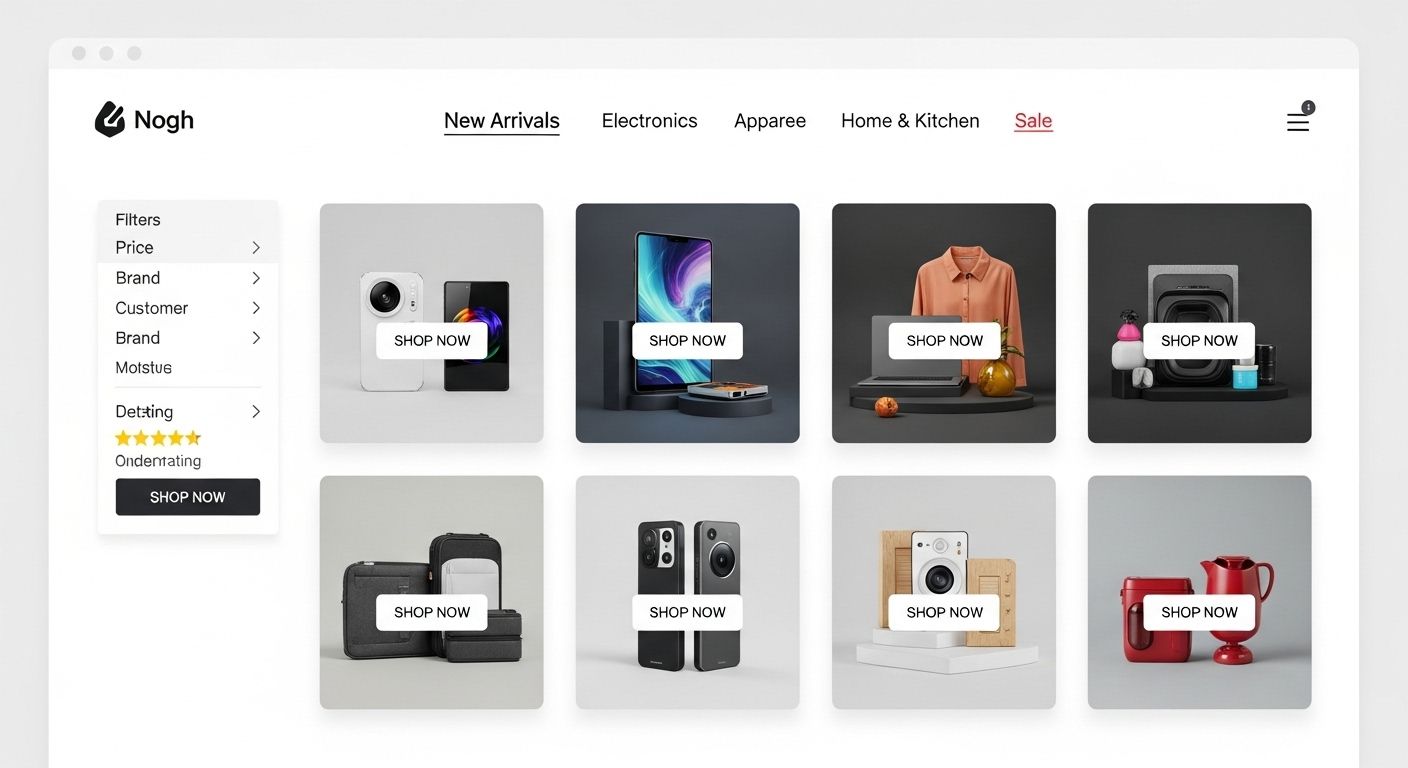
why y’all sleepin’ on how to build a website for selling products?
- 2.
domain drama: snaggin’ that web address like it’s last call at happy hour
- 3.
pickin’ your platform like you pickin’ your wingman
- 4.
design that don’t quit: make it pretty *and* profitable
- 5.
product pages that convert like Sunday sermons
- 6.
payment gateways: smooth transactions or silent exits?
- 7.
shipping strategy—yep, it’s part of how to build a website for selling products
- 8.
SEO: whisperin’ sweet nothings to Google so it sends folks your way
- 9.
launch day—don’t just hit “publish” and pray
- 10.
keep it rollin’—tools, links, and next moves for how to build a website for selling products
Table of Contents
how to build a website for selling products
why y’all sleepin’ on how to build a website for selling products?
Ever watched a flea market hustle turn into a damn empire on Instagram? Like, one minute Auntie Dee’s selling hot honey mustard outta her trunk in Queens, next thing ya know—she's got a Shopify store, a TikTok collab with a Food Network host, and *still* uses the same beat-up cooler as her “warehouse.” So… what if we told you how to build a website for selling products ain’t no rocket science—just a lil’ grit, some smart tools, and zero gatekeeping? Nah, seriously. You don’t need a CS degree or a Silicon Valley zip code. All you need’s a vision, a dream… and maybe a decent cuppa joe to keep you awake past 2 a.m. debugging a broken checkout button.
domain drama: snaggin’ that web address like it’s last call at happy hour
Before you even think about slapping your logo on a homepage, you gotta lock down your digital real estate. Think of your domain name like your corner store’s neon sign—if it’s misspelled, confusing, or sounds like a tax audit, folks ain’t walkin’ in. For how to build a website for selling products, pick something tight: short, brandable, and .com if you can swing it. “WildBerryGoods.com”? Slaps. “TheOfficialWildBerryEmporiumForNaturalProducts.net”? Hard pass, fam. Go to Namecheap or Porkbun (they got deals smoother than a jazz sax solo), and grab it for ~$10–15 USD/year. Pro tip: Avoid numbers, hyphens, and “e-” prefixes—they scream 2003 MySpace era. Own your name. Own your vibe.
pickin’ your platform like you pickin’ your wingman
Now, let’s talk tech stacks—and no, we ain’t talkin’ about lumber or protein powder. For how to build a website for selling products, your platform is the backbone, the DJ booth, the *soul* of the operation. You got your big dogs—Shopify (plug-n’-play, foolproof, $29–$299 USD/month), WooCommerce (WordPress plugin, powerful but needs tinkering), BigCommerce (scalable like a Texas steakhouse), and Square Online (free tier, bless ‘em). Wanna go zero-code? Squarespace’s got drag-n’-drop chic. But listen—if you plan to scale past 500 SKUs or need custom APIs, Shopify Plus or headless setups (Next.js + Shopify Hydrogen, say what?) might be worth the extra dough. Here’s a quick tea-sipper:
| Platform | Best For | Starting Price (USD/mo) | Scalability |
|---|---|---|---|
| Shopify | Beginners to mid-tier brands | $29 | ⭐⭐⭐⭐☆ |
| WooCommerce | WordPress loyalists, devs | $0 (hosting extra) | ⭐⭐⭐⭐⭐ |
| BigCommerce | Growth-stage biz, B2B | $29 | ⭐⭐⭐⭐⭐ |
| Square Online | Pop-ups, micro-stores | $0 | ⭐⭐☆☆☆ |
| Wix eCommerce | Creatives, side hustles | $27 | ⭐⭐⭐☆☆ |
Pick one that fits your swagger—and your spreadsheet.
design that don’t quit: make it pretty *and* profitable
Ain’t nobody buyin’ from a site that looks like it was coded in MS Paint on a dial-up connection. For how to build a website for selling products, your design gotta do three things: trust, guide, and sell. Mobile-first? Non-negotiable—over 60% of e-comm traffic’s on phones. Use high-res hero images (no blurry iPhone 5 pics), consistent fonts (serif for luxe, sans-serif for street-smart), and a color palette that *pops* but doesn’t give folks seizures. Oh—and whitespace? That’s not “empty.” That’s *breathing room* for your customer’s decision-making. As one Austin-based UX guru told us: “Clutter’s the cousin of confusion. And confusion cancels carts.” Mic drop.
product pages that convert like Sunday sermons
This is where the magic—or the meltdown—happens. For how to build a website for selling products, your product page ain’t just a digital shelf tag. Nah. It’s your 24/7 salesperson, hype-man, and therapist all in one. Here’s the holy trinity:
- Photos: 5+ angles, zoomable, lifestyle context (e.g., not just a mug—show it steamin’ on a Brooklyn fire escape at sunrise).
- Description: Benefits over features. “Stainless steel” → “Won’t rust when you forget it in the sink for 3 days (guilty).”
- CTA: “Add to Cart” should feel like saying “yes” to fries—irresistible, low-risk, *delicious*.
And hey—don’t sleep on microcopy. That little “Only 3 left!” nudge? Pure behavioral economics juju.
payment gateways: smooth transactions or silent exits?
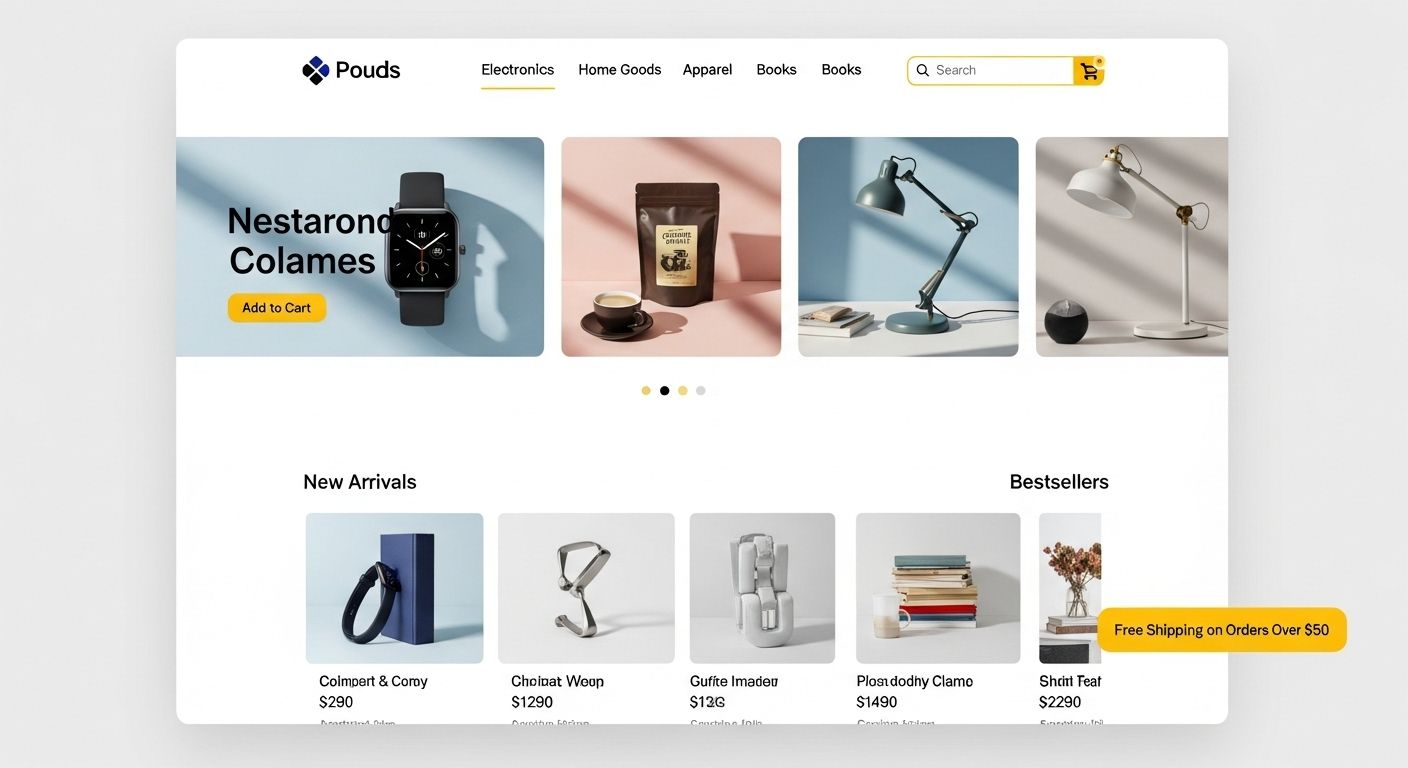
Imagine this: customer’s 2 clicks from checkout… and *boom*—“Error: Gateway Timeout.” That cart’s gone. Poof. Vanished like a raccoon in a dumpster fire. For how to build a website for selling products, your payment stack needs to be bulletproof *and* familiar. Offer Stripe (works like butter), PayPal (Grandma trusts it), Apple Pay (speed demon), and maybe Shop Pay for 1-tap returns. Avoid exotic gateways unless you’re targeting niche markets—nobody’s typing their CVV into “CryptoPay3000.” Also: never, ever redirect to a third-party domain mid-checkout. That’s like handing your date’s keys to a stranger and saying, “He’ll drive you home.” Nope.
shipping strategy—yep, it’s part of how to build a website for selling products
Free shipping? It’s not generosity—it’s *psychology*. Studies show it boosts conversions by up to 50%. But here’s the play: bake it into your pricing or use tiered thresholds (“Spend $75, ship free”). For how to build a website for selling products, integrate real-time carrier rates (via apps like Shippo or Easyship) so you ain’t guesstimatin’ like it’s 1999. And for the love of UPS: automate tracking emails. A “Your order’s chillin’ in a Memphis hub” update cuts support tickets by 30%. Real talk: if your customer has to *ask* where their package is, you already lost half the battle.
SEO: whisperin’ sweet nothings to Google so it sends folks your way
Build it and they *won’t* come—unless Google knows you exist. For how to build a website for selling products, SEO starts before launch. Title tags? “Wild Honey Mustard | Small-Batch & Spicy | [Brand]”. Meta descs? Under 155 chars, punchy, keyword-rich. Schema markup? *Chef’s kiss*—especially Product and Offer types so your price/rating show up in rich snippets. Don’t just stuff keywords—*weave* them. “Artisan hot honey mustard” in H1, H2, first 100 words, alt text, URL, and product tags? That’s semantic harmony, baby. Bonus: blog about “5 Ways to Upgrade Your Charcuterie Board” and link it to your mustard page. Content’s the long game—and Google *adores* context.
launch day—don’t just hit “publish” and pray
You polished the chrome, tested the brakes, filled the tank… now *go*. But for how to build a website for selling products, launch ain’t a fire-and-forget missile. Do a soft launch: email your inner circle, fix 3 bugs, then go wide. Track bounce rate, cart abandonment, and CTR via Google Analytics 4 (hook it up *before* Day 1). A/B test your homepage headline for a week. Run a $5/day Instagram Story ad to your warmest audience just to see how the funnel feels. Remember: version 1.0 ain’t perfect—it’s *alive*. Iterate fast, fail quiet, learn louder.
keep it rollin’—tools, links, and next moves for how to build a website for selling products
Alright, y’all made it this far—now let’s keep the engine warm. For how to build a website for selling products, bookmark these essentials:
- Public Market — your homebase for real-deal e-comm wisdom (no fluff, just facts)
- Ecommerce — full category of guides, teardowns, and teardowns of teardowns
- ecommerce website how to build a guide — deep-dive companion with wireframes, tool stacks, and vendor scorecards
And don’t ghost us after launch—swing back in 90 days. We’ll show you how to add subscriptions, run retention email flows, and turn first-time buyers into brand stans. ‘Cause how to build a website for selling products ain’t a one-night stand. It’s a long, weird, beautiful marriage—with Wi-Fi.
Frequently Asked Questions
How to create a website that sells products?
To nail how to build a website for selling products, follow this flow: 1) Secure a brandable domain, 2) Pick a platform (Shopify for ease, WooCommerce for flexibility), 3) Design for trust + mobile, 4) Craft product pages with high-res visuals and benefit-driven copy, 5) Integrate trusted payment/shipping tools, 6) Optimize for SEO + speed, and 7) Launch with tracking + iteration mindset. It’s less about perfection, more about *progress with purpose*.
Can I create a website for free to sell products?
Technically? Yeah—Square Online and Big Cartel offer free plans for how to build a website for selling products. But “free” usually means: limited features, platform-branded URLs (e.g., yourstore.square.site), no custom domain, and transaction fees (2.9% + $0.30 or higher). You *can* start free to validate demand, but plan to upgrade within 60–90 days. Pro move: Use a free tier for your MVP, then migrate to a paid plan once you’ve got 10+ sales under your belt.
How much does it cost to make a website for selling products?
Let’s break it down for how to build a website for selling products: Domain ($10–15 USD/yr), Hosting/Platform ($0–$299 USD/mo), Theme ($0–$180 one-time), Apps (avg. $20–50 USD/mo), and Content (DIY = free, pro copy = $300–$1,500 USD). So—barebones MVP: ~$50–100 USD upfront. Solid starter store: $300–$800 USD. Agency-built, custom-coded? $10k+ USD. But truth? Most solo creators spend $150–400 USD in Year 1 and scale tooling as revenue grows. No need to max out your credit card on Day 1.
What is the best website builder for selling products?
For most folks tackling how to build a website for selling products, Shopify’s the GOAT: reliable uptime, 8,000+ apps, PCI compliance baked in, and 24/7 support. WooCommerce wins if you’re already deep in WordPress and got dev skills (or budget). BigCommerce shines for B2B or complex catalogs. And hey—if you’re selling digital goods or memberships, look at Podia or SendOwl. “Best” ain’t universal—it’s what fits *your* bandwidth, budget, and ambition. Try free trials. Break stuff. See what clicks.
References
- https://www.shopify.com/research/ecommerce-statistics
- https://www.bigcommerce.com/articles/ecommerce/ecommerce-conversion-rate-benchmarks/
- https://moz.com/beginners-guide-to-seo
- https://stripe.com/reports/future-of-commerce