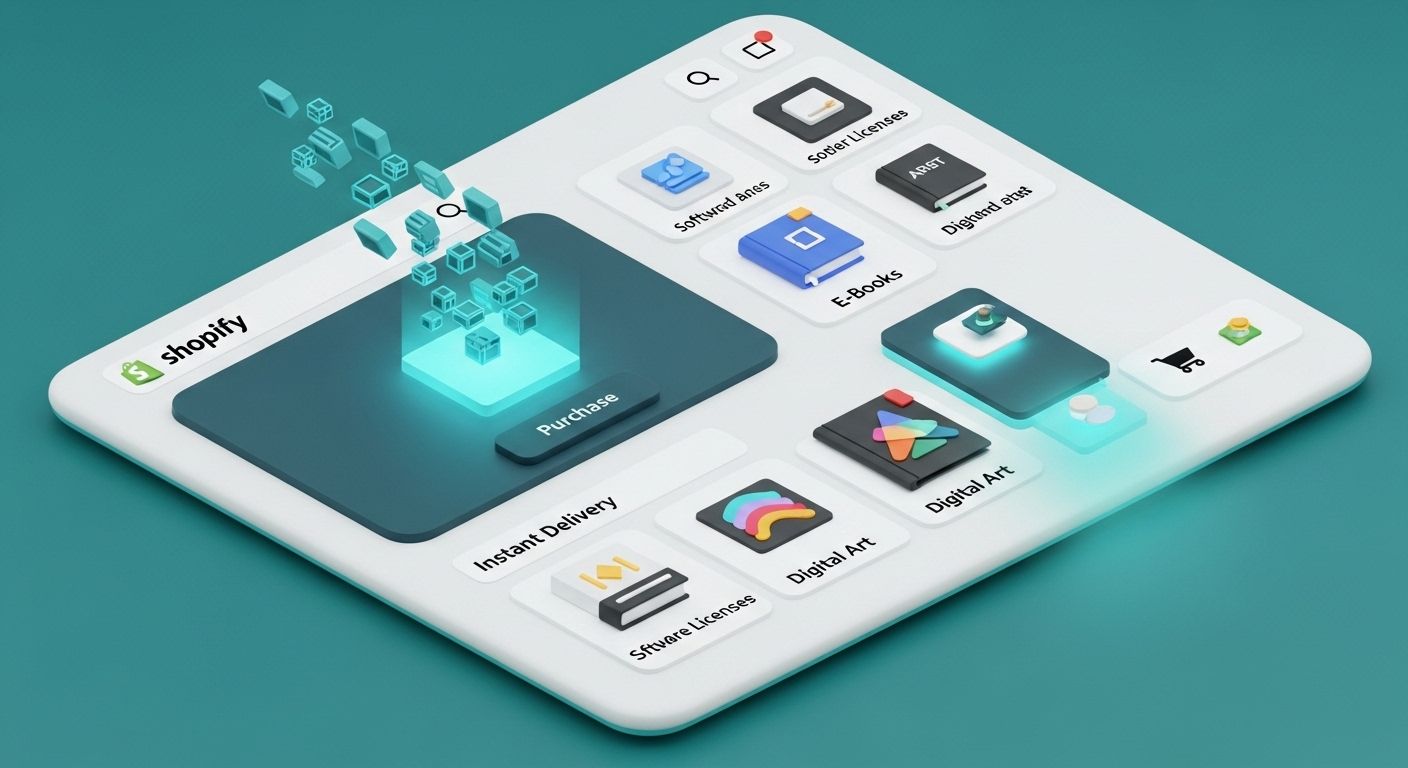
Best Ecommerce Homepage Design Top Tips
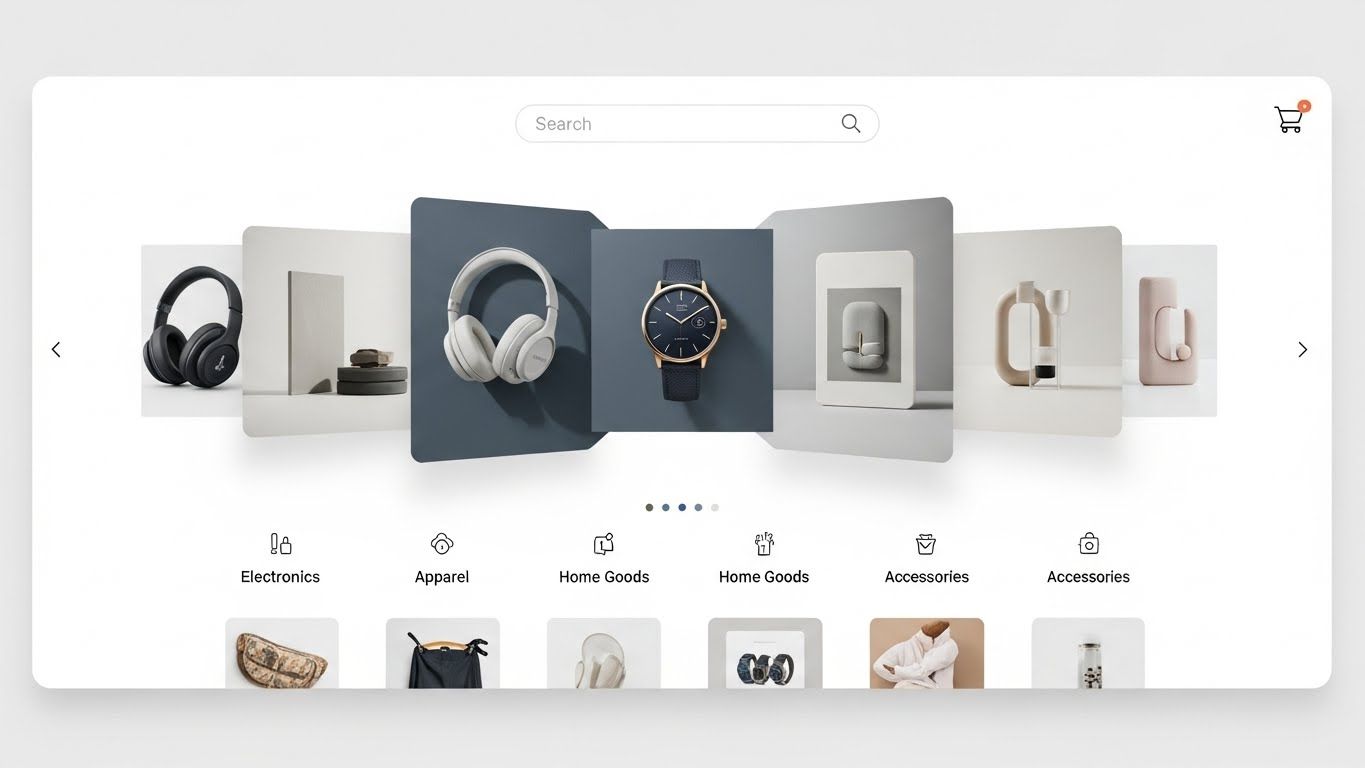
- 1.
What Even *Is* E-Commerce—And Why Should We Care?
- 2.
Four Flavors of E-Commerce—Like Ice Cream, But With More APIs
- 3.
So… Is Amazon an E-Commerce Site? (Spoiler: Duh.)
- 4.
Does E-Commerce *Really* Work—Or Is It All Just Hype and Hot Air?
- 5.
The Anatomy of a Winning Homepage—No Med School Required
- 6.
Trust Signals—Because Strangers Don’t Hand Over Credit Cards for Fun
- 7.
Microcopy That Doesn’t Suck—Yes, It’s Possible
- 8.
The Dark Art of the Hero Section—More Than Just a Pretty Picture
- 9.
Navigation That Doesn’t Feel Like a Maze Designed by Minotaurs
- 10.
Performance—Because Nobody’s Impressed by a 7-Second Load
- 11.
Linking the Ecosystem—Where Homepages Play Nice With the Rest of the Site
Table of Contents
best ecommerce homepage design
What Even *Is* E-Commerce—And Why Should We Care?
The Digital Storefront Shuffle
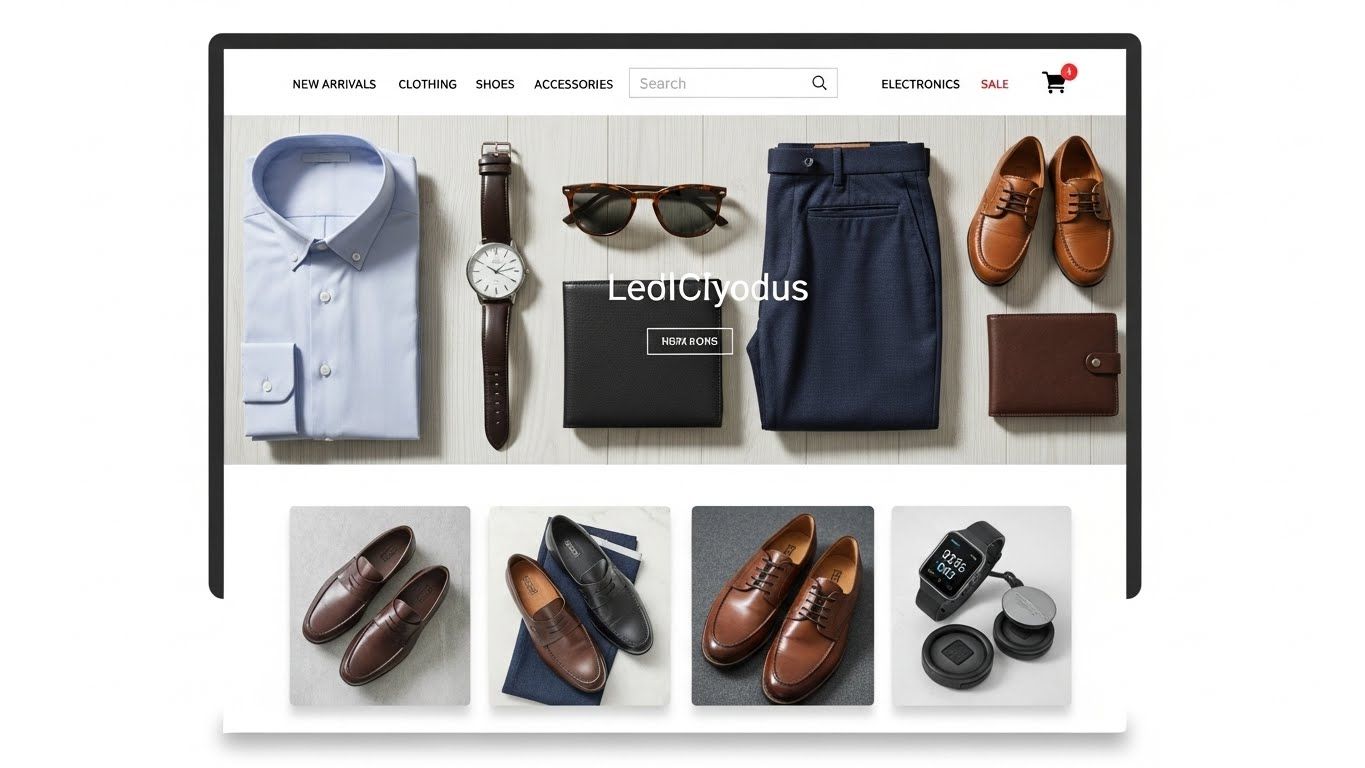
Ever walked past a storefront, paused, and thought, “Hmm, wonder if they got those sneakers in size 10?” — only to realize you’re standing in front of a boarded-up mall that hasn’t seen foot traffic since flip phones were cool? Yeah. That’s where best ecommerce homepage design steps in like a hype-man with a megaphone and a Shopify subscription.
E-commerce? Plain and simple: it’s buying and selling goods or services over the internet. But let’s not pretend it’s just “Amazon, but smaller.” Nah. It’s a whole digital bazaar — curated chaos, algorithmic alleyways, and pop-up carts that somehow know you wanted oat milk before *you* did. And while the back end might be running on APIs and caffeine, the front door — the homepage — is where first impressions either spark joy or send folks bouncing faster than a rubber ball in a tile factory.
A stellar best ecommerce homepage design doesn’t just *exist*; it *whispers*, then *sings*, then *drops the mic* — all before the visitor hits scroll. Think of it as your store’s handshake, eye contact, and opening line at a rooftop party. Mess it up? “Nice to meet you… *swipe left*.” Nail it? “Wait — you sell *what*? And it ships *when*?!”
And yeah, before you ask — no, a single hero image of a smiling model holding a laptop *does not* count as strategy. That’s just stock-photo optimism.
Four Flavors of E-Commerce—Like Ice Cream, But With More APIs
B2B, B2C, C2C, C2B… Wait, Did Someone Say Alphabet Soup?
Y’all ever notice how folks toss around “e-commerce” like it’s one monolithic thing? Bless their hearts. There are *four* main types — and recognizing ‘em matters big time when you’re chasing that best ecommerce homepage design. Get the flavor wrong, and your site ends up tasting like expired gummy worms.
First up: B2B (Business-to-Business). Think wholesale platforms, SaaS dashboards, bulk-order portals. These homepages lean *lean* — minimal flash, maximum function. Think *Marine Corps chic*: clean, direct, zero fluff. CTAs say things like “Request Quote” not “Treat Yo’ Self.”
Next: B2C (Business-to-Consumer). Hellooo, retail royalty. This is where best ecommerce homepage design kicks into high gear — storytelling, urgency, FOMO, seasonal campaigns, limited drops. It’s less spreadsheet, more runway show.
Then: C2C (Consumer-to-Consumer). Hello, Etsy. Hey there, eBay. These platforms *enable* transactions but don’t own inventory — so their best ecommerce homepage design must balance *trust* (reviews, badges) with *discovery* (trending, categories, “handpicked for you”).
Finally: C2B (Consumer-to-Business). Freelancers offering gigs on Fiverr, influencers pitching collabs, creators licensing content — yep, it flips the script. The homepage here? Less “shop now,” more “hire me / feature me / bid on me.”
Bottom line: if your best ecommerce homepage design doesn’t reflect your model? You’re basically wearing snow boots to a beach wedding. Cute effort. Wrong vibe.
So… Is Amazon an E-Commerce Site? (Spoiler: Duh.)
The 800-Pound Gorilla Wearing a Prime Smile
“Is Amazon an e-commerce?” — bro. It’s like asking if water’s wet or if Texas is *a little* proud of its brisket. Of *course* it is. In fact, Amazon is the *O.G.* poster child — not just for e-commerce, but for how a best ecommerce homepage design can evolve from “books online” to “your entire life, algorithmically curated.”
Let’s break it down: Amazon’s homepage feels like a Swiss Army knife folded into a spaceship. Search bar? Front and center — because *intent* rules. Deals? Rotating carousels with countdown timers — because *scarcity* sells. recommendations? “Customers who viewed this also bought…” — because *social proof* whispers louder than ads. And Prime? That little badge? It’s not a perk — it’s a *psychological moat*.
But here’s the twist: Amazon didn’t win with *beauty*. Their best ecommerce homepage design isn’t “Insta-worthy.” It’s *effective*. Every pixel serves a purpose — reduce friction, increase velocity, repeat. No fancy animations that lag on 3G. No poetic copy that buries the CTA. Just ruthless utility, wrapped in a deceptively simple layout.
So yeah — Amazon’s e-commerce. And its homepage? A masterclass in *conversion over cosmetics*. (Though, tbh, we low-key miss the “Customers Who Bought This Also Bought” drama. Good times.)
Does E-Commerce *Really* Work—Or Is It All Just Hype and Hot Air?
The Numbers Don’t Lie (Even When Influencers Do)
“Does e-commerce really work?” — asks the person who just ordered sushi *and* a new phone case *and* glow-in-the-dark socks at 2 a.m. while watching a cat unbox a vacuum. Uh… *yes*?
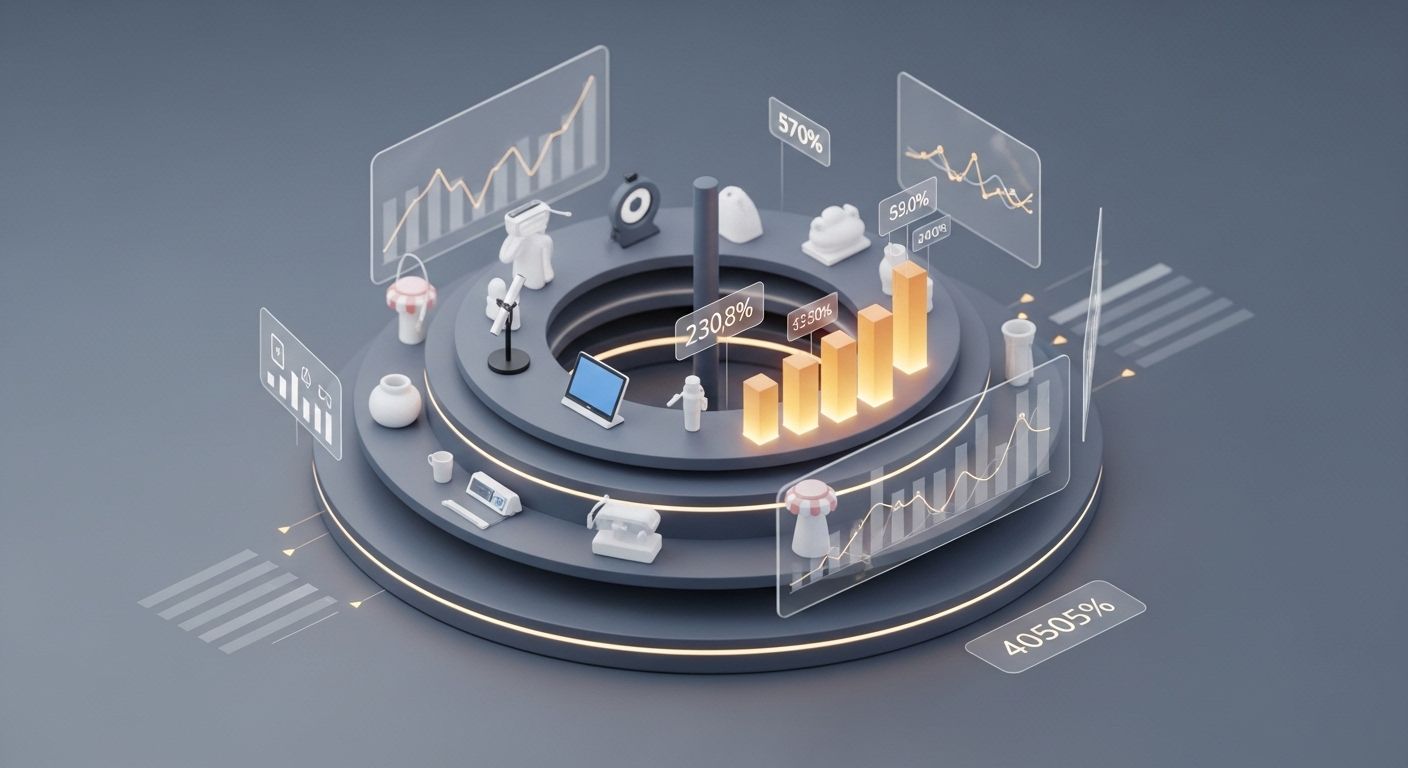
Let’s get real: global e-commerce sales hit **$6.3 trillion in 2024** — and are projected to hit **$8.1 trillion by 2026** (yep, *trillion* — with a *T*). In the U.S. alone, e-commerce accounted for **15.6% of total retail sales** last year. And get this: **73% of consumers** use *multiple* channels before pulling the trigger — meaning your best ecommerce homepage design isn’t just a landing pad; it’s the *control tower*.
But — and this is a *big* but — “e-commerce works” ≠ “*your* e-commerce works.”
A shaky site? Bounce rate skyrockets. Slow load time? You just lost 40% of mobile users. Confusing nav? That cart stays as empty as a gas station nacho tray at 3 a.m.
The truth? E-commerce *thrives* — but only when the foundation’s solid. And that starts with a best ecommerce homepage design that’s equal parts intuitive, trustworthy, and *delightful*. Not “meh.” Not “fine.” Not “my cousin’s WordPress theme from 2012.”
Still skeptical? Go ahead — order something *right now*. We’ll wait. … Back? Exactly.
The Anatomy of a Winning Homepage—No Med School Required
Dissecting the Beast (Gently, With Love)
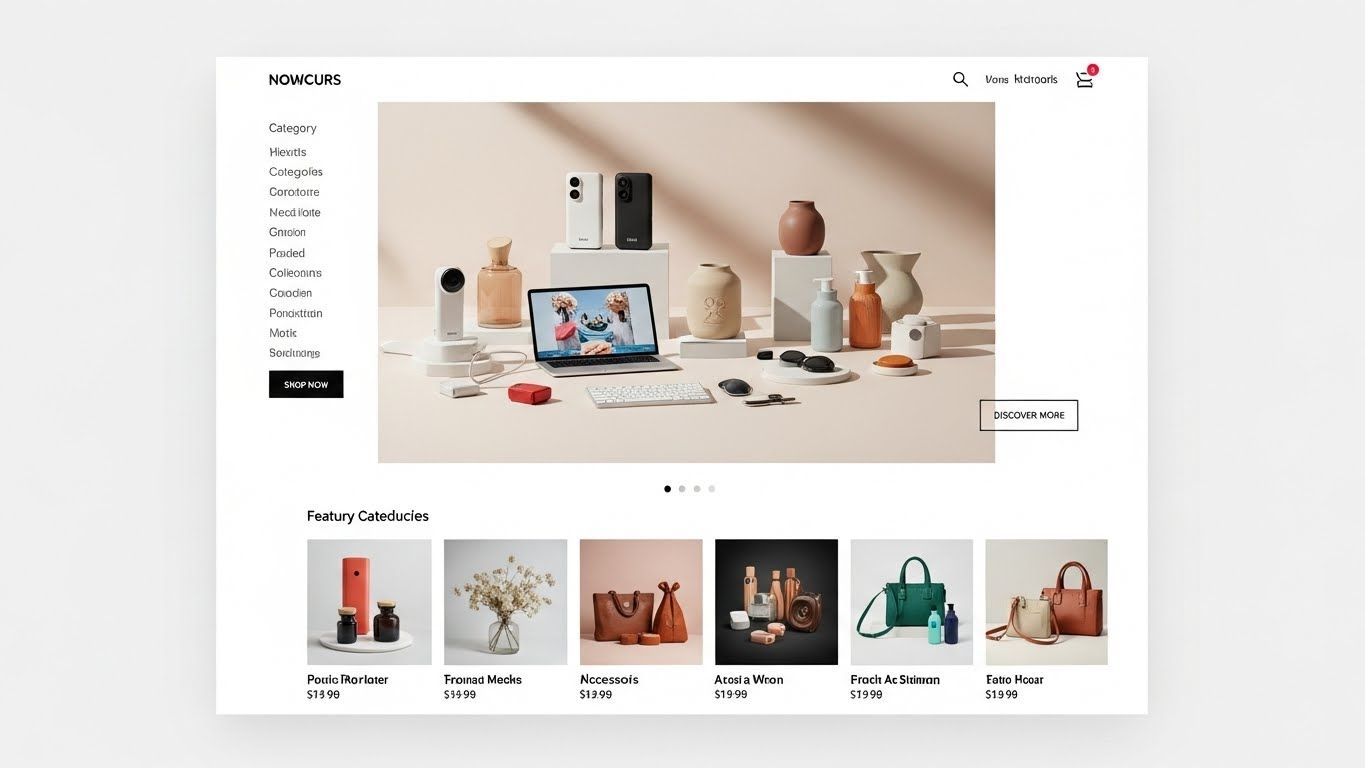
Alright, y’all — time to crack open the ribcage and peek inside what makes a best ecommerce homepage design tick. No, we won’t need formaldehyde. Just good ol’ common sense and maybe a snack.
First: **Above the fold = prime real estate**. Hero section? Must answer three questions *instantly*: 1. What do you sell? 2. Why should I care? 3. What’s the *next move*? Bonus points if it loads in under 2 seconds and doesn’t make my phone wheeze.
Then: **Navigation that doesn’t play hide-and-seek**. Mega menus? Cool — if they’re *organized*. Dropdowns? Great — if they don’t require a PhD in UX to decode. And for Pete’s sake, put the search bar somewhere *visible*. Not buried like pirate treasure.
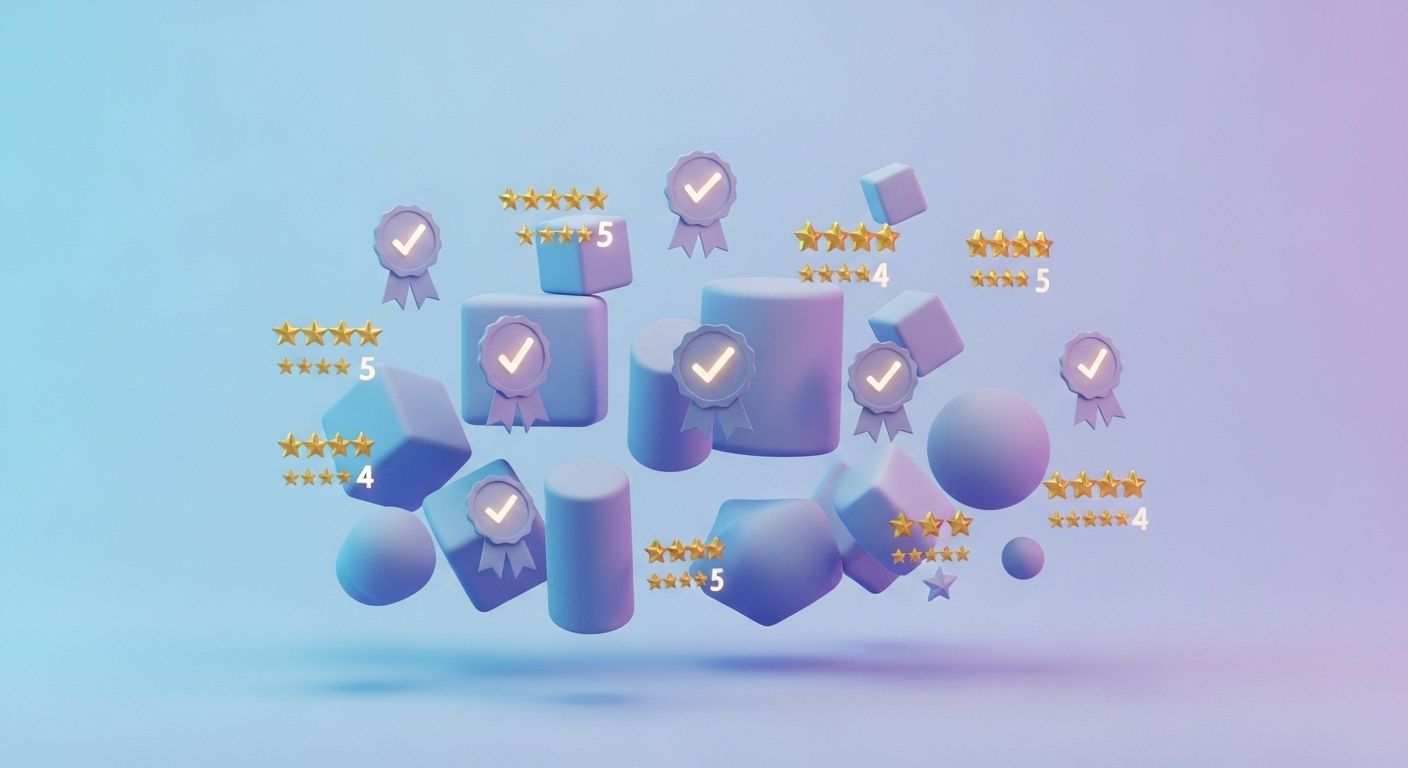
Social proof? Non-negotiable. Trust badges, UGC galleries, star ratings — these aren’t “nice-to-haves.” They’re the digital equivalent of a neighbor leaning over the fence saying, “Yeah, I bought that. Still love it.”
Oh — and mobile? If your best ecommerce homepage design looks like a Picasso sketch on iPhone, we got problems. Over **60% of e-commerce traffic** comes from mobile. Period.
Speaking of visuals…
Trust Signals—Because Strangers Don’t Hand Over Credit Cards for Fun
“Prove It, Then Prove It Again”
Let’s be brutally honest: the internet is *full* of sketch. Fake reviews. Phantom inventory. Sites that vanish faster than free donuts in a breakroom. So when someone lands on your homepage, their inner skeptic’s already revvin’ the engine.
That’s why your best ecommerce homepage design needs *trust architecture* — not just trust badges slapped near the footer like an afterthought.
✅ SSL lock icon? Basic. ✅ “Free returns” banner in the header? Better. ✅ Real-time purchase notifications (“Sarah from Denver just bought…”) — now we’re talkin’. ✅ Embedded video testimonials (not text blurbs)? *Chef’s kiss*.
Here’s a real stat: **88% of consumers** say they’re more likely to buy from a site that showcases user reviews. And **61%** won’t even *consider* purchasing without ‘em. So yeah — your “5-star average” shouldn’t live in a dusty corner. It should be front, center, and *animated*. Gently.
Pro tip: don’t just say “secure checkout.” *Show* it. Visa/MC/Amex/Apple Pay/PayPal icons? Line ‘em up like a bouncer squad. If your best ecommerce homepage design feels *risky*, no amount of discount pop-ups will save you.
Microcopy That Doesn’t Suck—Yes, It’s Possible
Where Grammar Nerds and Marketers Hold Hands
Y’all ever hover over a button that just says “Submit”? Feels like getting a text that says “K.” Cold. Empty. Suspicious.
That’s where *microcopy* — those tiny words in buttons, placeholders, error messages — becomes your secret weapon in best ecommerce homepage design.
Bad: “Enter email” Good: “Slide into our inbox (we promise no spam, just vibes)”
Bad: “Error: Invalid input” Good: “Oops — looks like that email’s playing hard to get. Try again?”
Bad: “Add to cart” Good: “Treat yo’ self →” or “Yasss, add it!” (depending on brand voice — and audience sobriety level)
The magic? It reduces *cognitive load* while boosting *emotional resonance*. You’re not filling a form — you’re joining a club. You’re not checking out — you’re sealing the deal with a wink.
One study found that tweaking just *one* CTA from “Start Free Trial” to “Get Started — No Credit Card Needed” boosted conversions by **27%**. All from *three words*. Wild, right?
So next time you’re editing that placeholder text? Channel your inner stand-up comic *and* your therapist. Your best ecommerce homepage design will thank you — and so will your conversion rate.
The Dark Art of the Hero Section—More Than Just a Pretty Picture
Where First Impressions Go to Thrive (or Die)
Let’s settle this: the hero section isn’t *just* a big image. It’s your 0.5-second elevator pitch — delivered while your visitor’s thumb hovers over the back button.
A weak hero? “Welcome to [Brand]” over a blurry stock photo of “diverse professionals laughing at a laptop.” (Spoiler: they’re not laughing *with* you. They’re laughing *at* your bounce rate.)
A *strong* hero in a best ecommerce homepage design? Think: ✔️ **Clear value prop** — not “premium solutions” but “Plant-based sneakers that compost in 90 days” ✔️ **Primary CTA** that *contrasts* and *compels* — “Shop the Drop” > “Click Here” ✔️ **Secondary option** for the cautious — “See How It Works” or “Browse Bestsellers” ✔️ **Mobile-optimized text hierarchy** — no one’s zooming to read your 8pt font masterpiece
And—hot take—*video backgrounds*? Only if they: - Autoplay *without sound* - Load in <1s - Actually *enhance* understanding (e.g., product in motion) Otherwise? You’re just burning bandwidth and patience.
Oh, and typos in the hero? Instant credibility leak. (Yes, we saw that “Recieve” in your headline. We *all* saw it.)
Navigation That Doesn’t Feel Like a Maze Designed by Minotaurs
Help Me Help Myself, Please
Imagine walking into a grocery store where: - The milk’s in Aisle 12 *today*, but Aisle 4 *tomorrow* - “Snacks” includes toilet paper - The map says “You Are Here” but points to the parking lot
That’s what bad navigation feels like. And in best ecommerce homepage design, confusing nav = abandoned carts. Full stop.
Here’s what works: 🔹 **Sticky header** — ‘cause scrolling back up to find “Contact” is *not* a feature 🔹 **Mega menus with visuals** — icons + thumbnails > text-only lists 🔹 **“Popular” or “Trending” shortcuts** — because analysis paralysis is real 🔹 **Search with autocomplete & filters** — let folks *bypass* nav entirely if they wanna
Pro move? Add a “Shop by Need” section — e.g., “Gifts Under $50,” “New to Plant-Based?” or “Fix My Bad Hair Day.” It’s not just categories — it’s *empathy in UI form*.
Fun fact: sites with intuitive navigation see **up to 40% higher conversion rates**. So yeah — spend less time debating font weights and more time mapping user journeys. Your best ecommerce homepage design deserves better than a scavenger hunt.
Performance—Because Nobody’s Impressed by a 7-Second Load
Speed Is the New Sexy
Real talk: if your best ecommerce homepage design takes longer to load than it takes to microwave a Hot Pocket, you’re losing money. *Literally*.
Stats don’t sugarcoat it: ⏱️ **53% of mobile users** abandon a site that takes over 3 seconds to load 💸 A **1-second delay** can drop conversions by **7%** 📉 Sites loading in **2.4 seconds** convert *2x better* than those at 5.7+
So what gives? ❌ Unoptimized images (looking at you, 8MB hero PNG) ❌ Too many third-party scripts (ads, trackers, “cool” widgets) ❌ Render-blocking CSS/JS ❌ No lazy loading on below-the-fold content
The fix? ✅ Compress images (WebP > JPEG, always) ✅ Defer non-critical JS ✅ Use a CDN (Cloudflare, Bunny, etc.) ✅ Audit with Lighthouse *weekly* — not “when something breaks”
And don’t forget: *perceived* speed matters too. Skeleton loaders, instant hover states, smooth transitions — they trick the brain into thinking, “Yep, this site’s got its life together.” Even if the server’s chugging like a ’98 Honda. Linking the Ecosystem—Where Homepages Play Nice With the Rest of the Site
It’s Not a Solo Act—It’s a Whole Dang Band
A best ecommerce homepage design doesn’t exist in a vacuum. It’s the conductor — not the whole orchestra. And without smart internal linking? You’re just waving a baton at empty chairs.
First rule: every hero CTA, category tile, and featured product should *lead somewhere meaningful*. No dead ends. No 404s. No “Coming Soon” pages masquerading as strategy.
Second: homepage links should *reflect business priorities*. Top-performing categories? Highlight ‘em. New collection? Give it prime carousel space. Low-stock bestseller? Maybe *don’t* push it till restock.
Third — and this is where most drop the ball — your homepage should *feed* your site’s SEO architecture. Anchor text matters. Context matters. Siloing matters.
Which brings us to our three must-have internal links, placed *strategically*: 👉 Public Market — because even rockstars need a home base 👉 Ecommerce — for the deep divers who want the full playbook 👉 Best Ecommerce Site Designs To Inspire — when you’re ready to swipe right on some serious inspo
Remember: a homepage that doesn’t *connect* is just a pretty poster. A homepage that *guides*? That’s where the magic — and the metrics — happen.
Frequently Asked Questions
What do you mean by ecommerce?
E-commerce (electronic commerce) refers to the buying and selling of goods or services using the internet — and the transfer of money and data to execute these transactions. It’s not just websites; it includes mobile apps, social commerce, and even voice-activated shopping. At its core, a strong best ecommerce homepage design serves as the digital storefront that makes all this frictionless, trustworthy, and — dare we say — delightful.
What are the 4 types of e-commerce?
The four main types are: B2B (Business-to-Business) — like wholesale platforms; B2C (Business-to-Consumer) — your classic online retail (think Warby Parker); C2C (Consumer-to-Consumer) — marketplaces like Etsy or Depop; and C2B (Consumer-to-Business) — freelancers, influencers, or creators offering services/products to companies. Each demands a tailored best ecommerce homepage design — because selling pallets of soap to hotels looks *real* different from selling one soap bar to Brenda in Boise.
Is Amazon an ecommerce?
Yep — Amazon is *the* definitive e-commerce giant, operating primarily as B2C (and increasingly B2B via Amazon Business). Its success hinges on a ruthlessly optimized best ecommerce homepage design that prioritizes speed, personalization, and conversion — proving that function *and* scale can coexist, even if the aesthetics lean utilitarian.
Does e-commerce really work?
Absolutely — but *only* when foundations are solid. Global e-commerce hit $6.3 trillion in 2024, and it’s growing. But “e-commerce works” ≠ “*any* store works.” Success lives in the details: mobile responsiveness, trust signals, intuitive navigation, and — crucially — a best ecommerce homepage design that converts curiosity into commitment. Skip those? You’re not building a business. You’re running a digital ghost town.
References
- https://www.statista.com/topics/871/online-shopping
- https://www.emarketer.com/content/us-ecommerce-forecast-2025
- https://www.nielsen.com/insights/2024/consumer-trust-in-online-reviews
- https://web.dev/vitals