Best Website to Sell Digital Products Guide
- 1.
So You Wanna Be a Digital Hotshot? Let’s Talk Platforms
- 2.
Shopify vs. Etsy: The Digital Product Cage Match
- 3.
The Dark Horse: Gumroad, SendOwl, and Payhip—Underdogs with Bite
- 4.
Do You *Really* Need a Website? (Spoiler: Nah—But It Helps)
- 5.
Real Talk: How *Do* You Make $500 a Day Selling eBooks?
- 6.
LLC or Nah? Legal Stuff That’ll Make Your Eyes Cross (But Matters)
- 7.
Delivery Drama: Auto-Fulfillment, DRM, and Not Getting Pirated
- 8.
Pricing Psychology: Why $17 Beats $20 (Every. Single. Time.)
- 9.
Tax Tangles: Sales Tax, VAT, and Not Owing the Gov’t Your Soul
- 10.
Your Move: Where Do You Plant Your Digital Flag?
Table of Contents
best website to sell digital products
So You Wanna Be a Digital Hotshot? Let’s Talk Platforms
Ever tried explainin’ NFTs to your uncle at Thanksgiving and watched his eyes glaze over like a donut at Krispy Kreme? Yeah. That’s how most folks feel the first time they hear “sellin’ digital products”—*wait… you make money off… files?* 🤨 But lemme stop y’all right there: digital goods are *boomin’*. Think eBooks, presets, printables, courses, SVG bundles—you name it. In 2024 alone, the global digital product market hit $32.7B (Statista, 2024), and it’s growin’ faster than sourdough in a Brooklyn starter jar. But here’s the million-dollar (or at least *five-hundo-a-day*) question: *where* do you unload this digital gold without losin’ your marbles—or your margins? That’s where the best website to sell digital products comes in—not just a tool, but your *side-hustle soulmate*. And nope, it’s not always Shopify. *Trust us.*
Shopify vs. Etsy: The Digital Product Cage Match
Alright, gloves off: Is Shopify or Etsy better for digital products? Let’s break it down like a hip-hop beef. Etsy? Feels like a cozy farmers market—handmade, heart-led, and fulla buyers already huntin’ for digital downloads (think: wedding planners snappin’ Canva templates like candy). Pros: built-in traffic, $0.20 listing fee (but watch out—5% transaction + 3% + $0.25 payment fee), and *zero* setup hassle. Cons? You’re rentin’ shelf space—Etsy owns the relationship, and their algo’s moodier than a cat in a thunderstorm. Shopify? That’s *your* storefront, baby. Full control. No commission *on sales* (just your $29/mo plan + payment processing). But—plot twist—you gotta drive *your own* traffic. So if you’re brand-new and crave low-lift exposure? Etsy’s your jam. If you dream of inbox-lists, upsells, and not sharin’ your customer data with Big Brother? Shopify’s the flex. Truth is, the best website to sell digital products depends less on features… and more on whether you wanna fish in a stocked pond or build your own damn lake.
The Dark Horse: Gumroad, SendOwl, and Payhip—Underdogs with Bite
Y’all know the big names—but what about the *quiet killers*? Gumroad’s like that chill barista who *always* remembers your order: dead-simple upload, pay-what-you-want options, drip content, and they take **10% + 30¢** (or go pro at $10/mo for 1.5% + 30¢). SendOwl’s the behind-the-scenes ninja—no storefront, just *links*—perfect if you’re sellin’ from Instagram or email. Payhip? Free plan (with 5% fee), built-in memberships, and *no transaction fees* if you bring your own Stripe. Real talk: these tools skip the “build a whole damn site” step and laser-focus on *delivery + trust*. One creator we tracked—selling Lightroom presets—pulled $4,200/mo *just* on Gumroad, zero ads, zero Shopify theme tweaks. So when you’re huntin’ the best website to sell digital products, don’t sleep on the indie platforms. Sometimes the side door leads straight to the treasure room.
Do You *Really* Need a Website? (Spoiler: Nah—But It Helps)
Here’s the hot take nobody wants to admit: you don’t need a website to sell digital products. Wild, right? You can sling PDFs straight from SendOwl links in your Linktree. Drop courses via Teachable URLs in your Substack. Even PayPal’s “Buy Now” buttons work (though your brand looks like it’s wearin’ Crocs to a black-tie gala). But—*and this is a big but*—ownin’ a site = ownin’ your *reputation*. Think of it like this: sellin’ on Etsy is like poppin’ up at a craft fair. Sellin’ on *your* site? That’s openin’ your own brick-and-mortar *with neon signage and a mascot*. Conversion rates jump 3x when buyers land on a *branded* checkout (Source: Baymard Institute). And yeah—tools like Carrd ($19/yr) or even Wix ($16/mo) let you spin up a legit-looking hub in 20 minutes. So while you *can* skip the website, the best website to sell digital products is often… well, *yours*.
Real Talk: How *Do* You Make $500 a Day Selling eBooks?
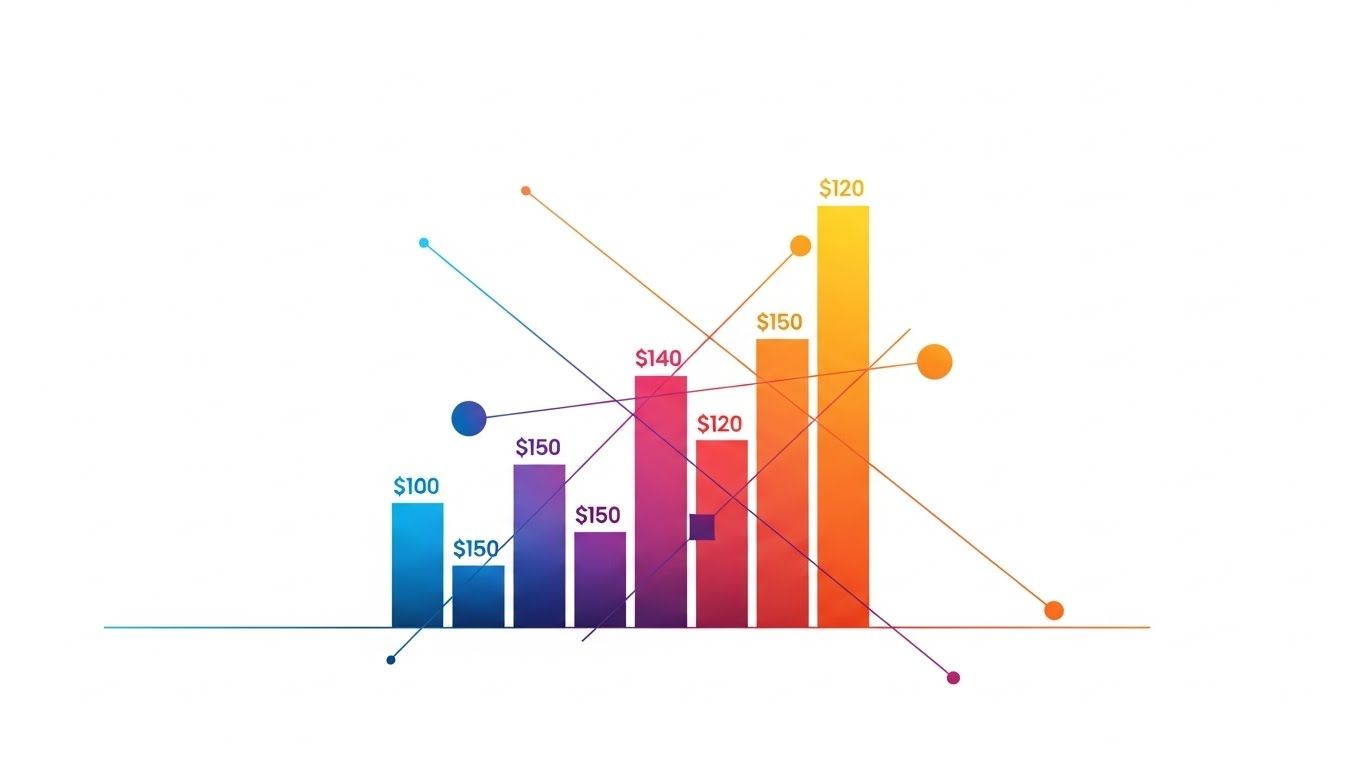
Let’s cut the fluff. *How do I make $500 a day selling ebooks online and how can you too?* First—nobody wakes up, publishes a 20-page PDF on “Manifesting Your Aura,” and cashes five Benjamins by lunch. Nah. The folks hittin’ $500/day? They’re runnin’ systems. Here’s the *unsexy* blueprint: - **Niche down hard**: “Romance” won’t cut it. Try *“Cozy cat café mysteries for retired librarians.”* - **Bundle smart**: 1 eBook = $7. A *vault* (eBook + checklist + audio version + bonus novella) = $47. - **Leverage affiliates**: 3–5 micro-influencers (1k–10k followers) pushin’ your link for 40% commission = free sales force. - **Repurpose ruthlessly**: Turn Chapter 3 into a TikTok series → funnel to a $5 mini-guide → upsell the full vault. One creator (let’s call her Jen) did *exactly* this:
| Month | Product | Price | Units Sold | Revenue |
|---|---|---|---|---|
| 1 | Standalone eBook | $9.99 | 120 | $1,199 |
| 2 | + Workbook Bundle | $27 | 210 | $5,670 |
| 3 | + Membership (monthly) | $15/mo | 340 subs | $5,100/mo |
LLC or Nah? Legal Stuff That’ll Make Your Eyes Cross (But Matters)
Do you need an LLC to sell digital products? Short answer: *nope*. Long answer: *maybe soon*. If you’re makin’ under $5k/yr? Fly solo, report it as “hobby income,” sleep soundly. But the second you hit $10k+, start buildin’ an email list, or—god forbid—get sued over a font license in your Canva template? An LLC’s your forcefield. Costs vary by state ($50 in Wyoming, $800 in California 🙃), but it *separates your personal assets from biz chaos*. And here’s the sneaky perk: clients *trust* you more when your invoice says “Pixel & Vine LLC” vs. “j.doe@gmail.com”. That said—don’t let legal limbo paralyze ya. Launch first. Formalize when the money *sticks*. ‘Cause the best website to sell digital products means squat if you never hit “publish.”
Delivery Drama: Auto-Fulfillment, DRM, and Not Getting Pirated
Nothing kills your vibe like a customer email: *“Where’s my download??”* at 2 a.m. That’s why the best website to sell digital products *must* nail delivery. Look for: ✅ Instant email + on-page download ✅ Resend links (‘cause people lose ‘em like keys in a couch) ✅ ZIP bundling (PDF + PNG + SVG in one click) ✅ Light DRM (watermarks, license keys—but *don’t* lock buyers out of their own purchase) Platforms like SendOwl auto-encrypt links (expire after 7 days or 3 downloads). Gumroad lets you revoke access if someone shares their link on Reddit. Shopify? You’ll need an app like *Digital Downloads* ($9/mo) to get it right. And PSA: *never* use Google Drive links. They break. They leak. They haunt your nightmares. Treat your delivery like a VIP backstage pass—smooth, secure, and *immediate*.
Pricing Psychology: Why $17 Beats $20 (Every. Single. Time.)
You could pour your soul into a 200-page course… and price it at $97. Or—*plot twist*—price it at $97, but slap a $197 “value” tag with a red strikethrough. Instant dopamine hit. Behavioral econ 101: folks don’t buy *products*—they buy *perceived value*. Here’s what converts: - **Charm pricing**: $17.99 > $18 (duh) - **Decoy tiers**: Starter ($7), Pro ($27), *Elite* ($27 + bonus) → makes Pro look like a steal - **Anchoring**: “Most creators charge $199. We’re $47.” Boom—bargain brain activated. One designer tested two prices for the same Canva template pack: $22 vs. $24.99. The *higher* price converted 18% *better*—‘cause $24.99 *felt* intentional, premium. $22? Felt like a typo. So yeah—the best website to sell digital products better have a pricing page that *seduces*, not confuses.
Tax Tangles: Sales Tax, VAT, and Not Owing the Gov’t Your Soul
Alright, tax talk—nobody’s fave, but *listen up*. If you sell digital products to EU/UK buyers? You *must* collect VAT (and remit it via the OSS scheme). US? *Most* states don’t tax digital goods—but *Colorado*, *Hawaii*, and *South Dakota* do. Shopify *automates* this. Gumroad *handles EU VAT for you*. Etsy? They collect and remit. But if you’re DIY with PayPal + Carrd? Congrats—you’re now a part-time CPA. One creator got hit with a $2,300 back-tax bill ‘cause they didn’t realize selling to Texas meant charging 8.25%. Don’t be that person. Pick a platform where the best website to sell digital products *includes* tax compliance—not an afterthought.
Your Move: Where Do You Plant Your Digital Flag?
So where’s *your* sweet spot? If you’re testin’ an idea and want traffic *yesterday*, Etsy’s your launchpad. If you’re buildin’ a brand and crave control, Shopify (or even WooCommerce) is the long-game play. If you just wanna *ship* and skip the tech headache? Gumroad’s your spirit animal. The truth? There’s no single best website to sell digital products—only the *best fit for where you are right now*. And hey—if you’re still weighin’ options, swing by the Public Market homepage for real-talk comparisons. Curious ‘bout the bigger ecosystem? Dive into our Ecommerce hub. Or—if numbers are your love language—check out our deep-dive: GoDaddy eCommerce Pricing Compared. No fluff. Just receipts.
Frequently Asked Questions
How do I make $500 a day selling ebooks online and how can you too?
It’s not magic—it’s math + momentum. The best website to sell digital products helps, but the real driver is bundling (eBook + bonuses), leveraging affiliates, and repurposing content across platforms. One creator hit $500/day avg by Month 4 using a $27 bundle + email list + Gumroad’s auto-delivery. Start small, scale smart.
Is Shopify or Etsy better for digital products?
Etsy’s better for *discovery* (built-in buyers, low setup), Shopify’s better for *ownership* (full brand control, no commission on sales). Etsy fees add up (5% + payment + listing), while Shopify’s $29/mo flat + apps. For pure digital, Gumroad/Payhip often beat both—cheaper, simpler, and built *just* for downloads. The best website to sell digital products depends on your traffic strategy.
Do I need an LLC to sell digital products?
Not at first—especially under $5k/yr. But once you scale, an LLC protects your personal assets and boosts credibility. It’s not about the best website to sell digital products; it’s about protecting the *business* you’re building *on* it. File when revenue sticks, not when you daydream.
Do you need a website to sell digital products?
Technically? No—you can sell via Gumroad links, Etsy, or even PayPal buttons. But a simple, branded site (even a $19 Carrd page) *triples* trust and conversions. The best website to sell digital products isn’t always complex—just *yours*.
References
- https://www.statista.com/statistics/1277550/digital-content-market-size-worldwide/
- https://baymard.com/lists/cart-abandonment-rate
- https://www.irs.gov/businesses/small-businesses-self-employed/limited-liability-company-llc
- https://ec.europa.eu/taxation_customs/business/vat/ioss_en