Great Ecommerce Sites To Learn From

- 1.
What Makes a Great E‑Commerce Site Tick? (Spoiler: It’s Not Just the Cart Button)
- 2.
From Garage to Global: How the Giants Built Their Empires on Sand (and Code)
- 3.
User Experience: Where Psychology Meets Pixel‑Perfect Layouts
- 4.
Mobile-First Isn’t a Buzzword—It’s the Whole Freakin’ Dictionary
- 5.
Product Page Alchemy: Turning Specs into Stories (and Clicks)
- 6.
Checkout Friction? Nah—Checkout *Flow*
- 7.
Personalization That Feels Like Magic (Not Surveillance)
- 8.
Trust Signals: The Invisible Handshake Before the Transaction
- 9.
The Backend Hustle: Where APIs, CDNs, and Dark Patterns Hide
- 10.
Beyond the Sale: Retention, Loyalty, and the Art of the “Oops, I Bought Again”
Table of Contents
great ecommerce sites
What Makes a Great E‑Commerce Site Tick? (Spoiler: It’s Not Just the Cart Button)
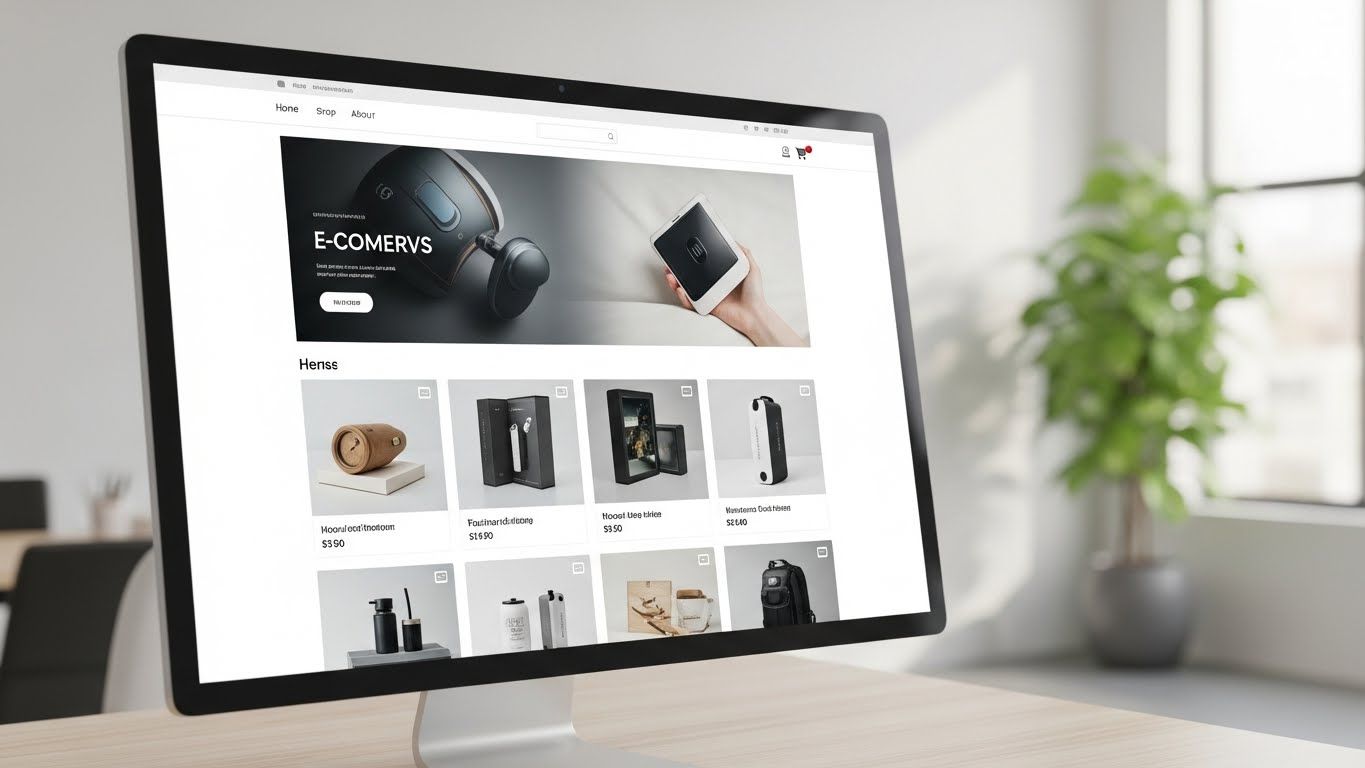
Y’know, ever scrolled up and down an online store like it’s a Netflix binge—add to cart, delete, add again, stare at shipping costs, mutter “ain’t nobody got time for this,” and bail? Yeah. Us too. But here’s the kicker: the great ecommerce sites don’t just sell—they *seduce*. They whisper sweet nothings like “free returns” and “same‑day delivery” while handing you a digital coupon like it’s a secret handshake. It’s less shopping, more soul‑dating. And no, we ain’t talkin’ candlelit dinners—we mean seamless UX, mobile‑first vibes, and product pages so crisp they practically crackle. Great ecommerce sites get that the checkout isn’t a finish line—it’s the *climax*. Mess that up? Bye, Felicia. 💨
From Garage to Global: How the Giants Built Their Empires on Sand (and Code)
Let’s rewind—back when dial‑up modems screeched like angry seagulls and “secure checkout” meant typing your credit card into a Notepad file (don’t @ us, we were young). Amazon started in Jeff Bezos’s garage, sellin’ books like hotcakes on a Seattle sidewalk. Fast‑forward twenty‑odd years? They’re movin’ 1.6 million packages a day. Walmart went from “Save Money. Live Better.” to “Scan. Go. Boom.” with their app‑based checkout that skips lines like a pro parkour athlete. These great ecommerce sites didn’t just scale—they *anticipated*. Subscription fatigue? Enter Amazon Prime’s “binge‑ship” model. Inflation blues? Walmart’s Rollback deals hit harder than a plot twist in *Succession*. Point is: the blueprint for great ecommerce sites isn’t flashy—it’s freakin’ *predictive*.
User Experience: Where Psychology Meets Pixel‑Perfect Layouts
You ever land on a site so smooth it feels like glidin’ down a buttered waterslide? That’s not luck—that’s behavioral science in a hoodie. Great ecommerce sites know that choice overload is deadlier than a 3‑a.m. text from your ex. So they curate. Hard. Think: Zappos’ “Just for You” feed (powered by creepy‑but‑cool AI), or REI’s “Shop by Adventure” filter—because nobody searches “hiking boots”; they search “will these survive a bear encounter?” 🐻 These sites map micro‑interactions like a love language: hover effects that *pop*, CTA buttons that *thrum*, progress bars that *cheerlead* you to checkout. Great ecommerce sites don’t ask “What do you want?”—they *already handed it to you* with a side of free shipping.
Mobile-First Isn’t a Buzzword—It’s the Whole Freakin’ Dictionary
Let’s get real: if your great ecommerce sites ain’t mobile‑optimized, you’re basically hand‑deliverin’ customers to your competitors. Over 73% of e‑commerce traffic comes from phones—*and* 61% of users won’t return after a bad mobile experience (yikes). The champs? Think ASOS: their app remembers your size, your style quirks, even that weird phase where you bought three neon windbreakers. Or Target’s mobile scan‑&‑go—where you stroll the aisles like a retail ninja, bag in hand, phone in pocket, zero human interaction required. That’s not convenience—that’s *dignity*. Great ecommerce sites know the pocket is the new point‑of‑sale. Periodt.
Product Page Alchemy: Turning Specs into Stories (and Clicks)
Here’s where most sites flatline: they dump specs like a robot reading a toaster manual. “1200W. Stainless steel. 2‑slice.” *Zzz*. The great ecommerce sites? They spin lore. Warby Parker doesn’t sell glasses—they sell “four pairs, shipped free, try ‘em in your bathroom mirror like it’s a rom‑com montage.” Glossier? Their product pages read like a BFF’s DM: “This serum? Yeah, it’s *that* friend who shows up with wine and listens for three hours.” It’s tactile copy, lifestyle shots, UGC galleries where real humans—not models—grin with mascara smudges. And oh, the *reviews*? Filtered by “with photos,” “pet owners,” “sweaty commuters”—because trust isn’t built on star ratings. It’s built on *proof*.
Checkout Friction? Nah—Checkout *Flow*
Picture this: you’re 90 seconds from buying those limited‑edition sneakers. Cart’s full. Heart’s racing. Then—BAM—address field *doesn’t autofill*. CAPTCHA demands you “click all traffic lights.” Shipping options read like a riddle from the Sphinx. *Uninstalls browser.* 😤 The great ecommerce sites treat checkout like a VIP velvet rope: Shopify‑powered stores offer Shop Pay—*one tap*, boom, done. Apple’s “Buy with Apple Pay” skips *everything* but your fingerprint. Even Amazon’s 1‑Click (patented, sued over, *still iconic*) proves: if your checkout takes more than 3 steps, you’re leakin’ revenue like a sieve in a hurricane. Pro tip? Guest checkout isn’t optional—it’s *mandatory*. Loyalty comes *after* the dopamine hit of “Order Confirmed.”
Personalization That Feels Like Magic (Not Surveillance)
Let’s address the elephant in the room: nobody loves being *tracked*. But man, when Sephora’s app says “Hey, your last foundation is almost empty—restock?” and *actually* gets the shade right? Goosebumps. That’s the sweet spot: personalization that feels like a concierge, not a stalker. Stitch Fix’s algorithms learn from *returns* (“nope, too boxy”) as much as purchases. Nike’s SNKRS app drops alerts *only* for your size, your city, your dream shoe. Data’s the new oil—but great ecommerce sites refine it into *perfume*. And the ROI? Staggering: 80% of consumers are more likely to buy when brands offer personalized experiences (McKinsey, 2024). So yeah—call it creepy if you want. We call it *conversion*.
Trust Signals: The Invisible Handshake Before the Transaction
You ever hover over “Place Order” like it’s a live grenade? Yeah. Trust ain’t built in seconds—it’s *layered*. SSL padlock? Basic. Great ecommerce sites go full fortress: Norton Secured badges *above the fold*, live chat with real humans (not bots named “Chad”), and return policies written in plain English—no legalese loopholes. Casper? “Try it for 100 nights. Seriously. We’ll pick it up. No guilt.” Allbirds? “Carbon‑neutral shipping—tracked in real time.” Even tiny signals matter: “Only 2 left!” triggers FOMO, while “Ships from Brooklyn, NY” adds local cred. Bottom line: in the land of great ecommerce sites, skepticism is the first customer—and you gotta win *them* over before the cart even loads.
The Backend Hustle: Where APIs, CDNs, and Dark Patterns Hide
Front‑end’s the glam squad—but the real MVPs? The *nerds in the basement*. Great ecommerce sites run on headless CMS architectures so fast, Google’s Lighthouse gives ‘em a standing ovation. CDNs cache images globally—so a user in Austin loads the same hero shot as one in Anchorage, *in under 800ms*. And let’s talk APIs: Shopify’s ecosystem lets brands plug in ReCharge for subscriptions, Klaviyo for email flows, Gorgias for support—all talkin’ to each other like old college roomies. Oh, and dark patterns? Nah. Ethical great ecommerce sites avoid “sneak‑into‑cart” tricks. Instead, they use *positive* nudges: “Bundle & save $12” beats “You’ll regret not upgrading!” every. single. time.
Beyond the Sale: Retention, Loyalty, and the Art of the “Oops, I Bought Again”
Selling once? Cute. Selling *repeatedly*? That’s where legends are born. Great ecommerce sites know LTV (lifetime value) > CAC (customer acquisition cost)—so they invest in *post‑purchase joy*. Think: Duolingo‑style streaks (“7 days since your last coffee order—treat yourself?”), birthday discounts that *actually* feel personal, or Thrive Market’s “Impact Report” showing how your haul saved X plastic bottles. Loyalty programs? Ditch the punch cards. Sephora’s Rouge tier gives early access, free shipping *forever*, and birthday *hauls*. And here’s the kicker: 65% of revenue for top brands comes from repeat buyers (Bain & Co, 2025). So yeah—checkout ain’t the end. It’s the *first date*. And the great ecommerce sites? They’re already planning the second. Now, go check out our Public Market, dive into the Ecommerce section, or geek out on Design Website Shopify: A Complete Guide if you’re ready to build your own empire.
Frequently Asked Questions
What is the largest ecommerce website in the US?
Hands down, Amazon reigns supreme as the largest ecommerce website in the US—commanding roughly 38% of all online retail sales in 2025. With over 310 million active users and a mind‑bending catalog of 350+ million products (yes, *million*), it’s the OG of great ecommerce sites. Prime’s 200M+ subscribers don’t just shop—they *live* there: groceries, streaming, cloud storage, even pharmacy deliveries. If e‑commerce were a city, Amazon’d be NYC—loud, fast, and impossible to ignore.
Which ecommerce website is best?
“Best” depends on your vibe—but if we’re talkin’ holistic excellence (UX, trust, innovation, retention), Shopify‑powered stores often steal the crown *behind the scenes*. Brands like Gymshark, Allbirds, and Death Wish Coffee use it to craft bespoke, lightning‑fast experiences. For consumers? Zappos (for service), REI (for community), and Warby Parker (for storytelling) are textbook great ecommerce sites—each nailing a different slice of the pie. Pro tip: the “best” site *feels* like it was built just for you. And honestly? That’s the whole damn point.
Who is the most successful e-commerce?
Success = revenue + impact + sustainability. By that metric? Amazon’s still king—but Walmart’s digital surge is wild: $82B in e‑comm sales last year, 90% YoY growth in marketplace sellers, and their ad business now rivals Meta’s. Meanwhile, niche players like Chewy (pet lovers) and Thrive Market (conscious consumers) boast 70%+ repeat‑purchase rates—proof that *loyalty* beats scale any day. Truly great ecommerce sites aren’t just big—they’re *sticky*. They turn customers into cult members. And that? That’s the holy grail.
Who is leading in ecommerce?
Leadership’s split: Amazon dominates *market share*, but Shopify leads the *creator economy*—powering 10% of US e‑commerce (and 2M+ stores globally). Then there’s TikTok Shop, surgin’ with Gen‑Z via shoppable livestreams (projected $20B US GMV by 2026). But don’t sleep on the dark horse: AI‑native stores like Kit (fashion) and Nova (home goods) use generative tech to customize *every* touchpoint—product recs, email copy, even return reasons. So who’s leadin’? The ones treating great ecommerce sites not as stores, but as *living platforms*.
References
- https://www.census.gov/retail/mrts/www/data/pdf/ec_current.pdf
- https://www.emarketer.com/content/us-ecommerce-forecast-2025
- https://www.mckinsey.com/industries/retail/our-insights/the-future-of-personalization-and-how-to-get-ready-for-it
- https://www.nielsen.com/insights/2024/consumer-trust-in-ecommerce-platforms/