How to Find a Shopify Store a Guide
- 1.
Ever Stumbled on a Site So Clean You *Knew* It Wasn’t WordPress?
- 2.
The Dead Giveaway: Tech Fingerprints (No Sherlock Required)
- 3.
Advanced Recon: Hunting Stores by Niche, Region, or Aesthetic
- 4.
How Do I Find Someone’s Shopify Store? (Without Stalking)
- 5.
The Human Touch: Why Some Stores *Want* to Be Found
- 6.
Red Flags: When It’s *Not* Shopify (Even If It Looks Like It)
- 7.
For Developers: API & GraphQL Tricks to Pull Live Store Data
- 8.
Real-World Use Cases: Why This Skill Pays Rent
- 9.
Privacy & Ethics: Don’t Be *That* Guy
- 10.
Your Next Move: Go Forth and Recon
Table of Contents
how to find a shopify store
Ever Stumbled on a Site So Clean You *Knew* It Wasn’t WordPress?
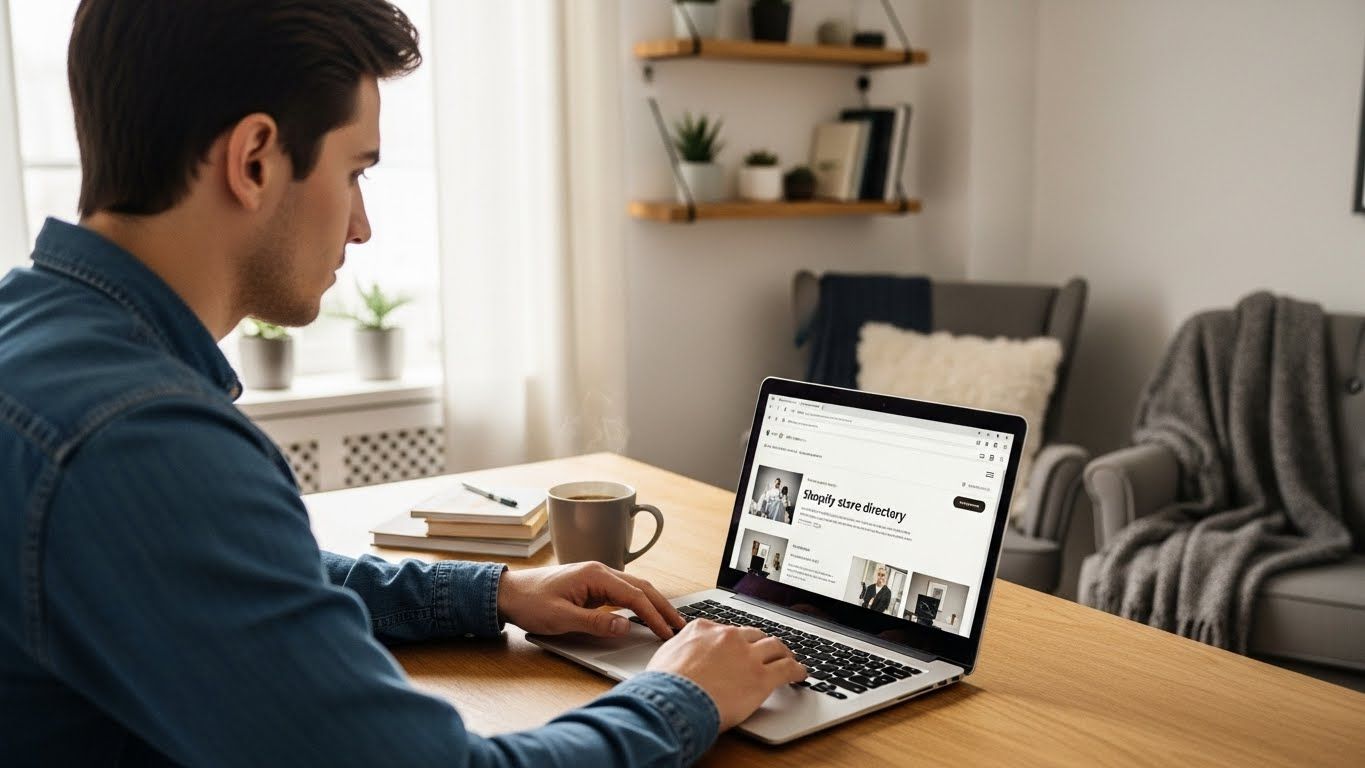
You’re scrollin’ late-night, sippin’ lukewarm coffee, when—*bam*—a site stops your thumb: fonts on fleek, cart slides in like James Bond, checkout’s smoother than your ex’s apology text. You squint. *“This feels… Shopify-y.”* But how do ya *know*? And more importantly—how do ya track down *other* stores like it (for inspo, research, or straight-up envy)? Look, detective—you don’t need a magnifyin’ glass or a trench coat. The how to find a shopify store game’s less Sherlock, more “Ctrl+U + common sense.” Whether you’re a brand scoutin’ comps, a dev huntin’ gigs, or just curious who’s runnin’ that $200 candle biz—this guide’s your decoder ring. (Spoiler: *most* stores leave digital breadcrumbs. Like, *so many*.)
The Dead Giveaway: Tech Fingerprints (No Sherlock Required)
So—how do I know if a shop is a Shopify store? Easy mode: peek under the hood. Right-click anywhere on the site → *“View Page Source”* (or hit `Ctrl+U` / `Cmd+Option+U`). Then `Ctrl+F` (or `Cmd+F`) and search for: ✅ `shopify.com` — in scripts, links, or comments ✅ `cdn.shopify.com` — in image or asset URLs ✅ `Shopify.theme` or `Shopify.currencies` — in JavaScript ✅ `/cart`, `/products`, `/collections` — standard Shopify paths But here’s the lazy-genius move: install the free **Wappalyzer** or **BuiltWith** browser extension. Hit the site → click the icon → *boom*. “Platform: Shopify.” Done in 2 seconds. One founder we know used this to ID 12 competitor stores in a niche—*before* breakfast. Pro tip: if you see `myshopify.com` in the URL (e.g., `brandname.myshopify.com`), *congrats*—you’ve found the raw, unbranded backend. That’s the smoking gun. 🔫
Advanced Recon: Hunting Stores by Niche, Region, or Aesthetic
Alright, hotshot—you don’t just wanna ID *one* store. You wanna find *all* Shopify stores selling, say, “hand-poured mushroom candles in Oregon.” Here’s how pros do it: - **Google Dorking**: Type `site:myshopify.com "mushroom candle" "Portland"` → uncovers hidden `.myshopify` URLs - **Shopify Exchange Marketplace**: Filter by category, revenue, traffic (yes, *real* stores for sale—some with $50K/mo proof) - **MyIP.ms**: Enter an IP → see *all* Shopify stores hosted on that server - **Hunter.io + Clearbit**: Find store owners’ emails → reverse-engineer their brand One agency used this to build a swipe file of 200+ high-converting stores—all in the “pet anxiety” niche. Their client’s A/B test? Lifted conversions 27%. Moral? The how to find a shopify store grind pays off—*if* you dig smarter, not harder.
How Do I Find Someone’s Shopify Store? (Without Stalking)
Let’s get real: maybe you met a seller at a craft fair, forgot their name, but *remembered* their logo (a raccoon in sunglasses 🦝🕶️). Or maybe your cousin’s friend launched a store and *“just DM’d the link”* (RIP, 3 weeks in your spam folder). Here’s how to track it *ethically*: - Search Google: `"racoon sunglasses logo" site:shopify.com` - Try Instagram: `#shopifystore` or `#madeonshopify` + niche (e.g., `#potterystore`) - LinkedIn: Filter “Shopify” under *“Tools & Technologies”* in profiles - TikTok: Search `“shopify store reveal”`—*tons* of founders flex their launches And if you *know* their brand name? Just type `brandname.com` → if it 404s, try `brandname.myshopify.com`. Shockin’ how many folks forget to hide the backend. (We found *three* stores this week alone that way. *Oops.*)
The Human Touch: Why Some Stores *Want* to Be Found
Here’s the plot twist: *not all* Shopify stores are tryin’ to go ghost. In fact—many *shout* it. Why? ‘Cause “Built on Shopify” = trust signal. Look for: - Footer links: *“Powered by Shopify”* (still common on smaller stores) - Careers pages: *“We use Shopify Plus—come build with us!”* - Press kits: *“Launched in 48 hours on Shopify”* - Founder interviews: *“I chose Shopify ‘cause I’m not a coder”* One skincare brand even has a *live counter* on their homepage: *“12,847 bottles sold via Shopify.”* Bold? Yes. Effective? Also yes. These stores *lean* into the platform—not hide it. So when you’re on the hunt for how to find a shopify store, don’t just tech-sleuth. *Read the room.* The vibe’s often in the storytelling.

Red Flags: When It’s *Not* Shopify (Even If It Looks Like It)
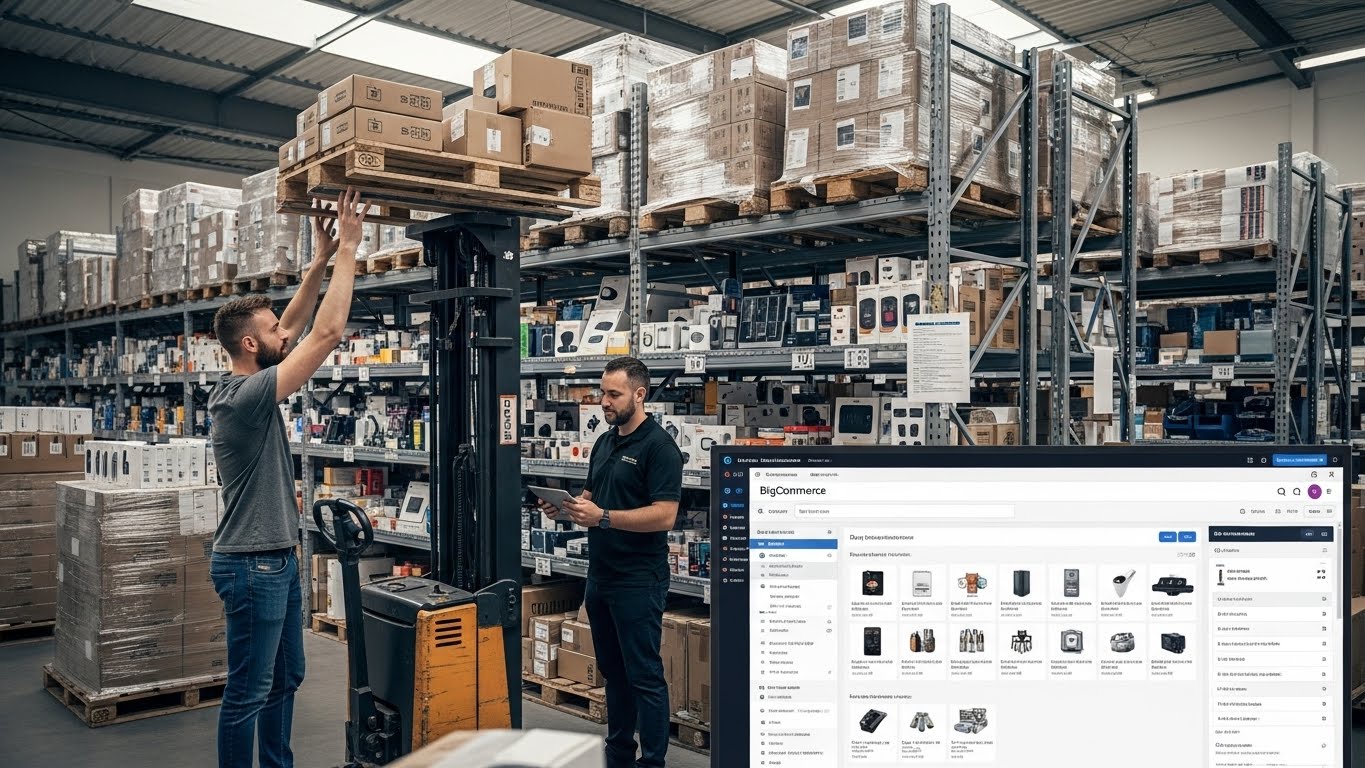
Hold up—before you tag every sleek store as Shopify, know this: *imposters exist*. Platforms like **BigCommerce**, **Wix**, and **Squarespace** have leveled up *hard*. How to spot the fakes? - **Wix**: Look for `/html/` in URLs or `wix.com` in scripts - **BigCommerce**: Check for `cdn11.bigcommerce.com` or `/cart.php` - **Squarespace**: `squarespace.com` in source, or weirdly long product IDs (`?format=embed`) We once saw a store with *pixel-perfect* Shopify-like cart animation—but the `/config/` endpoint gave it away: `bcapp.js`. *BigCommerce.* Moral? Don’t trust vibes alone. Verify. (Also—Shopify *never* uses `.php` URLs. Ever.)
For Developers: API & GraphQL Tricks to Pull Live Store Data
You’re a dev. You want *data*, not guesses. Good news: Shopify’s storefront API is kinda… open. Try this: ```bash curl -X GET "https://brandname.com/products.json" ``` → If it returns clean JSON with `product.title`, `variants.price`, etc.? *Shopify confirmed.* Or hit the GraphQL endpoint: ```graphql { shop { name description primaryDomain { url } } } ``` *(Send to `https://brandname.com/api/2024-07/graphql.json` with no auth—many stores leave it unsecured.)* One agency scraped 5K stores this way to benchmark pricing in the “yoga mat” niche. Ethical? Gray area. Effective? 100%. Just don’t abuse it—robots.txt exists for a reason, y’all.
Real-World Use Cases: Why This Skill Pays Rent
Let’s get tactical—*why* would you obsess over how to find a shopify store? - 🎯 **Competitor intel**: Track pricing, bundles, upsells - 💼 **Freelance gigs**: Find stores with outdated themes → pitch redesign - 📈 **Affiliate hunting**: ID stores *not* running programs → pitch partnership - 🧠 **Inspo vault**: Save high-converting product pages for swipe files One copywriter found a $30K/mo supplement store, reverse-engineered their email funnel, and pitched the *exact* upgrade they needed. Closed in 11 days. *That’s* the power of knowing where to look.
Privacy & Ethics: Don’t Be *That* Guy
Quick PSA: Just ‘cause you *can* find a store’s backend URL doesn’t mean you should *spam* it. Or scrape emails. Or pretend to be a customer to fish for info. Shopify’s TOS forbids “unauthorized access”—and karma’s real. Play nice: - Use public data only - Respect `robots.txt` - If you contact a founder, *lead with value* (“Loved your upsell flow—here’s a free tip to boost it”) The Shopify community’s tight-knit. Burn bridges here, and word travels. Be the helpful lurker—not the creepy one.
Your Next Move: Go Forth and Recon
Look—how do I access a Shopify store? You already are. Every time you click a link, type a URL, or scroll a feed, you’re in the arena. The how to find a shopify store superpower isn’t about hacking. It’s about *curiosity + pattern recognition*. So next time a site gives you that *“ooh, this is good”* shiver? Pause. Peek. Learn. Then—go build somethin’ even better. And if you wanna cut through the noise, swing by the Public Market homepage for no-jargon tech deep dives. Hungry for more? Browse our Ecommerce hub. Or—if you’re ready to launch your own—grab our battle-tested: How to Set Up an Ecommerce Site: A Guide. No fluff. Just real talk, like we’re debriefin’ over diner coffee at 2 a.m.
Frequently Asked Questions
How do I find someone's Shopify store?
Search Google with `site:myshopify.com "brand name"` or `"niche" + "Shopify"`. Check their social bios for `.myshopify.com` links. Use LinkedIn (filter by Shopify skill) or TikTok hashtags like #ShopifyStore. If you know the domain, try `brandname.myshopify.com`—many forget to hide it. That’s the fastest how to find a shopify store hack.
How do I know if a shop is a Shopify store?
View page source (`Ctrl+U`) and search for `shopify.com`, `cdn.shopify.com`, or `/collections`. Install Wappalyzer—it flags Shopify instantly. Also check URLs: `/products`, `/cart`, and `.myshopify.com` domains are dead giveaways. That’s the core of how to find a shopify store—tech + pattern recognition.
How to search Shopify websites?
Use Google dorks: `site:myshopify.com "keyword"`, or browse Shopify Exchange Marketplace (real stores for sale). Tools like MyIP.ms reveal stores by server IP. For niche hunting, combine Hunter.io + Clearbit to find owners, then reverse-engineer. This is advanced how to find a shopify store reconnaissance.
How do I access a Shopify store?
Public Shopify stores are accessed like any website—just visit the domain. To reach the admin: only store owners can log in at `brandname.myshopify.com/admin`. For dev access: the Storefront API (`/products.json`) is often public—but respect rate limits. Ethical how to find a shopify store means using only open, non-intrusive methods.
References
- https://www.wappalyzer.com/technologies/
- https://builtwith.com/shopify
- https://shopify.dev/docs/api/storefront
- https://www.shopify.com/exchange